


How Long to Can Tomatoes? | Safe Processing Times
- 2026-07-30 /
- Shanna
If you're wondering how long to process canned tomatoes, the answer depends on your method and altitude. For a boiling water bath, process pint jars for 40 minutes and quart jars for 45 minutes at sea level. For a pressure canner, process both pint and quart jars for 15 minutes at the correct pressure.
But if you're scaling up from home canning to commercial production, precise processing time is just the start. A professional tomato canning production line handles these variables automatically, ensuring safety and consistency batch after batch.
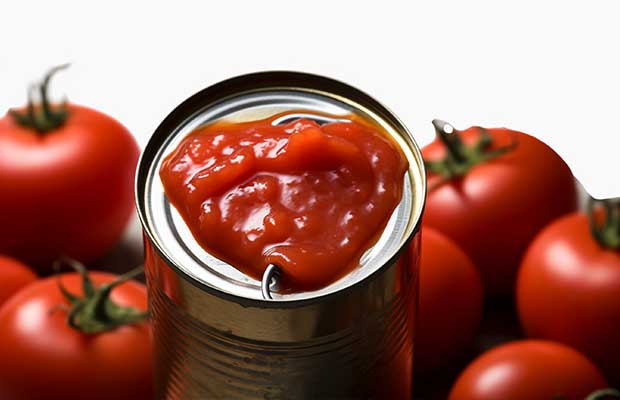
Why Processing Time Matters
Tomatoes sit on the borderline between high-acid and low-acid foods. Their pH can vary by variety, ripeness, and growing conditions. The USDA requires acidification (lemon juice or citric acid) for all canned tomatoes, followed by proper heat processing to eliminate pathogens like botulinum.
Boiling Water Bath Times
For whole or halved tomatoes packed in water:
| Jar Size | 0-1,000 ft | 1,001-3,000 ft | 3,001-6,000 ft | Above 6,000 ft |
|---|---|---|---|---|
| Pints | 40 min | 45 min | 50 min | 55 min |
| Quarts | 45 min | 50 min | 55 min | 60 min |
Pressure Canner Times
For both pints and quarts, process 15 minutes at the pressure appropriate for your altitude and canner type.
From Home Kitchen to Commercial Production
At home, you're adjusting timers, monitoring gauges, and manually loading jars into a canner. In a commercial setting, a canned tomato production line does all of this automatically:
-
Automated filling and seaming ensures consistent headspace and seal integrity
-
Continuous retort processing applies precise time-temperature combinations
-
PLC controls adjust for altitude and product formulation without human error
Modern tomato sauce canning lines integrate filling, seaming, and sterilization into one continuous flow, processing thousands of cans per hour while maintaining safety standards set by the FDA.
Quality Beyond Safety
Processing time also affects texture, color, and drained weight. Over-processing can turn tomatoes mushy; under-processing risks spoilage. A commercial tomato processing line includes:
-
Sensor-based sorting to remove blemished fruit before canning
-
Grading systems that classify tomatoes by size and color consistency
-
Corrosion-resistant stainless steel construction for hygiene and durability
By automating these steps, producers achieve the minimum 50% drained weight required by FDA standards while preserving the natural red color and firmness consumers expect.
Recommended Products
-
Canned Tomato Production Line – From sorting to sealing, fully automated systems for whole, diced, or crushed tomatoes.
-
Tomato Sauce Canning Line – Designed for high-viscosity products like paste, ketchup, and puree.
-
Industrial Retort Systems – Batch or continuous sterilization with precise temperature control.
Conclusion
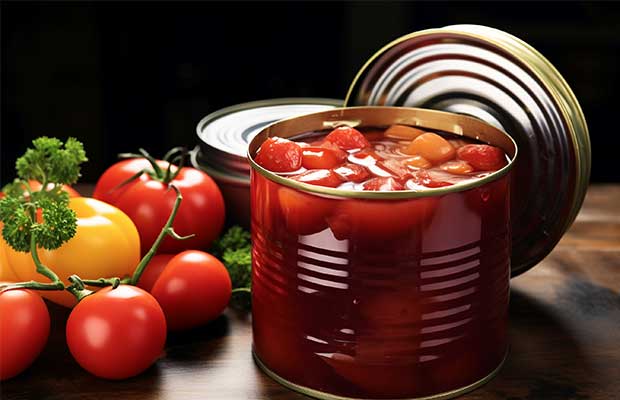
Whether you're processing at home or scaling to commercial volumes, the key to safe canned tomatoes is controlling time, temperature, and acidification. For home canners, follow the USDA guidelines of 40-45 minutes in a boiling water bath or 15 minutes in a pressure canner. For commercial producers, a professional tomato canning production line automates the entire process, delivering consistent quality while meeting regulatory requirements.
Ready to upgrade your operation? Contact us to learn how our industrial canning equipment can help you produce safe, shelf-stable tomato products efficiently and profitably.