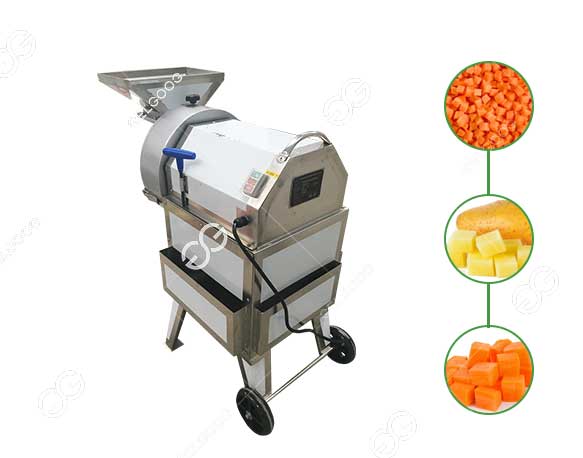
Industrial Vegetable Dicing Machine | GELGOOG
Key Functions
- Vegetable dicing into uniform cubes
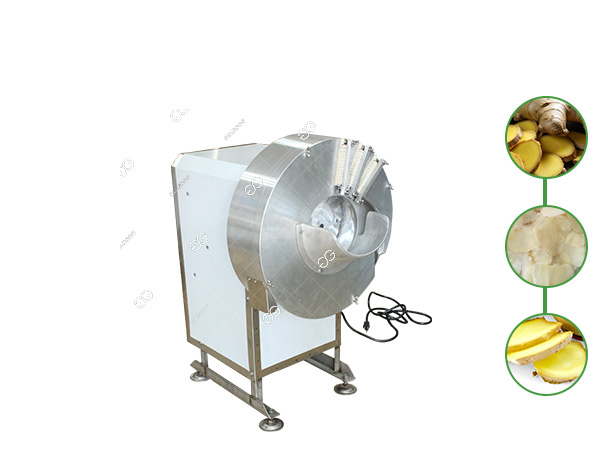
- Vegetable slicing for fresh-cut and cooking applications
- Vegetable cutting into strips or sticks
- Vegetable shredding for salads and prepared foods
Description
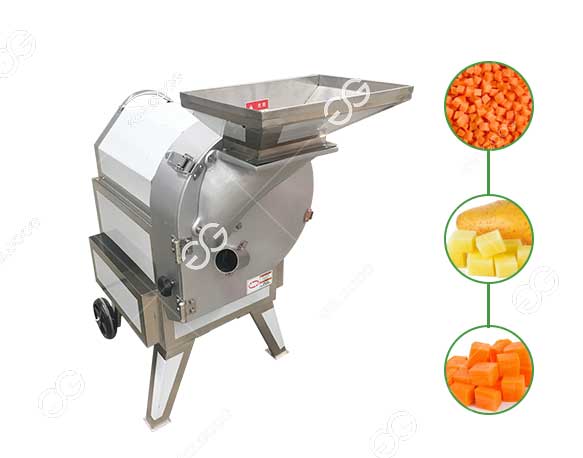
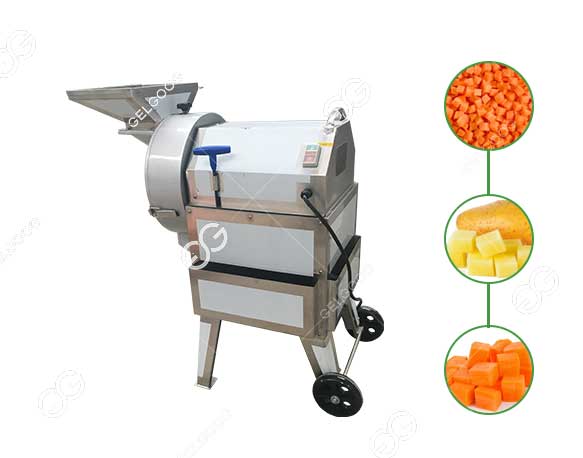
An industrial vegetable dicing machine is an automated food processing machine designed to cut vegetables into uniform cubes, strips, slices, or shreds at a consistent speed. It is widely used in vegetable processing plants, frozen food factories, central kitchens, catering operations, and fresh-cut vegetable production.
Compared with manual cutting, an automatic vegetable dicer provides more consistent cutting sizes and helps processors improve production efficiency. Depending on the vegetable, cutting shape, required capacity, and downstream process, the machine can be configured for potatoes, carrots, onions, cabbage, radishes, cucumbers, peppers, and other vegetables.
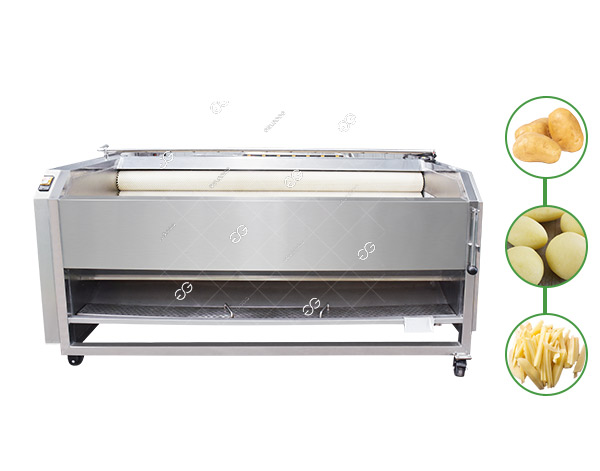
For industrial vegetable processing, the dicing machine can also work as part of a complete line together with vegetable washing, peeling, air drying, blanching, freezing, and packaging equipment.
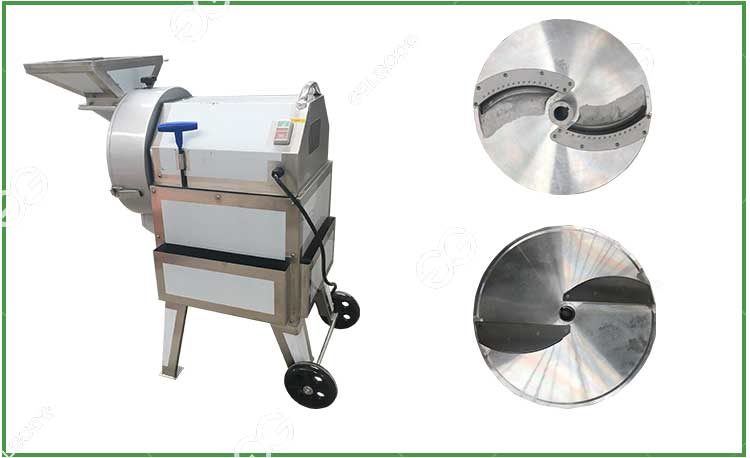
What Is an Industrial Vegetable Dicing Machine?
An industrial vegetable dicing machine automatically cuts prepared vegetables into predetermined sizes and shapes. The cutting system uses interchangeable or customized knife assemblies to produce cubes, strips, slices, or shredded vegetables.
The machine is particularly suitable for processors that need repeatable cutting results and continuous production. It can replace labor-intensive manual preparation and provide a more standardized raw material for subsequent processing.
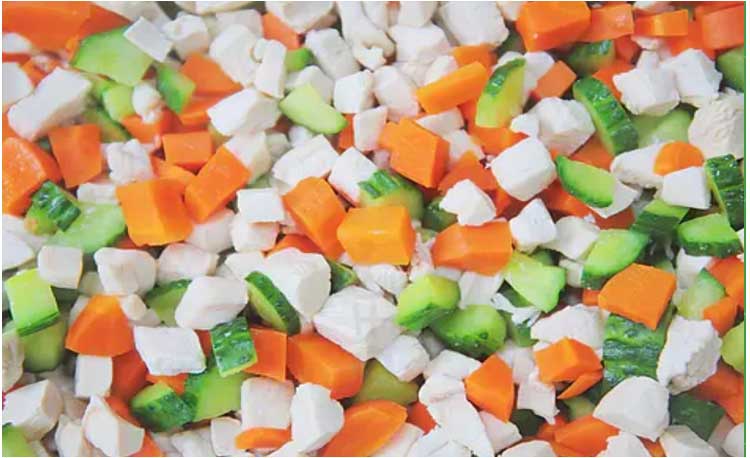
How Does an Automatic Vegetable Dicer Work?
The working principle of an automatic vegetable dicing machine is straightforward:
- Feeding: Prepared vegetables enter the machine through the feeding system.
- Primary cutting: The cutting assembly makes the first cut according to the selected configuration.
- Secondary cutting: Additional knives cut the material into strips or smaller sections.
- Dicing: The final cutting stage produces cubes or other specified shapes.
- Discharge: Finished vegetables are discharged continuously for collection or further processing.
The exact cutting method varies according to the machine design and raw material. Therefore, processors should confirm the vegetable type, moisture level, hardness, feeding condition, and finished size before selecting the knife configuration.
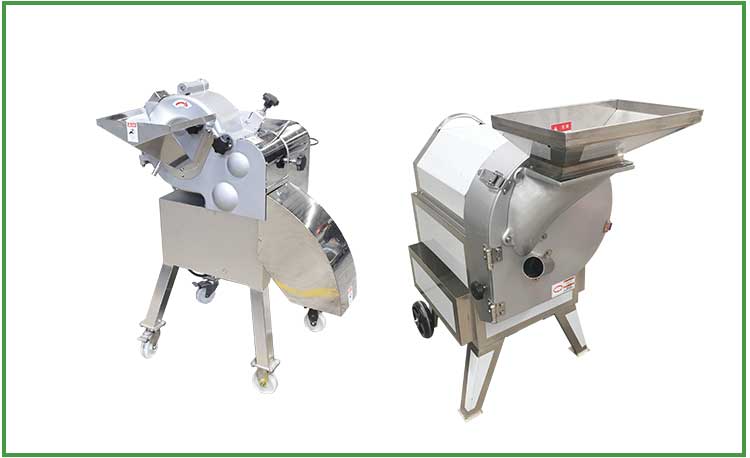
Frequently Asked Questions
What vegetables can an industrial vegetable dicing machine process?
The machine can process many vegetables, including potatoes, carrots, onions, radishes, sweet potatoes, cucumbers, peppers, and other suitable vegetables. The exact application depends on vegetable characteristics and the required cutting result.
Can a vegetable dicing machine cut vegetables into different sizes?
Yes. Different knife configurations can produce different cutting shapes and sizes. The required dimensions should be confirmed before selecting the machine.
Can the vegetable dicer be integrated into a production line?
Yes. An industrial vegetable dicer can be integrated with washing, peeling, air drying, blanching, freezing, sorting, and packaging equipment to create a customized vegetable processing line.
Is an industrial vegetable dicing machine suitable for frozen vegetable production?
Yes. Cutting is commonly used as a preparation step before blanching, cooling, IQF freezing, and packaging. The final cutting size should match the requirements of the frozen vegetable product.
Vegetable Dicing Sizes and Cutting Shapes
One major advantage of an industrial vegetable cutting machine is its ability to provide different finished shapes.
Typical processing options include:
| Cutting Type | Typical Application |
|---|---|
| Cubes | Frozen vegetables, soups, canned foods, ready meals |
| Slices | Cooking, foodservice, fresh-cut vegetables |
| Strips | Stir-fry products, salads, prepared meals |
| Shreds | Coleslaw, salads, vegetable mixes |
| Sticks | French fries, vegetable snacks, foodservice |
Cutting dimensions can be customized according to the product requirements and machine configuration. For example, small vegetable cubes may be required for soups or mixed vegetables, while larger cubes may be suitable for ready-to-cook products.